
Lab-grown diamonds have revolutionized the world of gemstones and jewelry. With growing awareness about sustainability and ethical sourcing, more consumers are turning to diamonds that are made in laboratories. Among the most popular technologies used in the production of lab grown diamonds hpht (High Pressure High Temperature). This article explores what lab-grown diamonds are, the HPHT process, and the key differences between lab-created and natural diamonds.
Table of Contents
What Are Lab Grown Diamonds?
Lab-grown diamonds, also known as man-made, synthetic, or lab-created diamonds, are diamonds that are created in a controlled laboratory environment rather than mined from the earth. These diamonds have the same physical, chemical, and optical properties as natural diamonds.
Why Choose Lab Grown Diamonds?
-
Ethical Sourcing: No environmental destruction or human rights abuses.
-
Eco-Friendly: Less energy and fewer resources than traditional mining.
-
Affordable: Typically 20% to 40% less expensive than mined diamonds.
-
Customization: Easy to control size, color, and clarity in labs.
How Lab Grown Diamonds Are Made
There are two primary methods for growing diamonds in a lab:
-
HPHT (High Pressure High Temperature)
-
CVD (Chemical Vapor Deposition)
This article focuses on the HPHT method, which replicates the natural diamond-forming conditions found deep within the earth.
HPHT: High Pressure High Temperature
The HPHT method was the first successful technique developed to create diamonds in a lab. It involves mimicking the natural conditions under which diamonds are formed — high pressure and high temperature.
The HPHT Process Explained
-
Starting Material: A small diamond seed (usually a flat sliver of diamond) is placed into a carbon source like graphite.
-
Extreme Pressure: The seed is subjected to pressures of over 5 GPa (gigapascals), similar to the pressure found deep inside the Earth.
-
High Temperature: Temperatures reach up to 1,600°C (2,912°F).
-
Crystallization: The carbon melts and begins to form a diamond around the seed.
-
Cooling Phase: Once a sufficient size is reached, the diamond is slowly cooled and cut for use in jewelry.
HPHT Diamond Shapes and Colors
HPHT diamonds are particularly good at producing colorless or near-colorless diamonds. The method can also enhance the color of diamonds or create fancy colors such as blue, yellow, or pink.
Advantages of HPHT Diamonds
-
Cost-Effective for Large Stones: Often cheaper to produce large diamonds than with CVD.
-
Less Post-Growth Treatment: HPHT diamonds often need less enhancement.
-
Color Improvements: HPHT can improve or modify the color of diamonds.
Lab Grown vs. Natural Diamonds
It’s essential to understand the similarities and differences between lab-created and mined diamonds.
| Feature | Lab Grown Diamonds | Natural Diamonds |
|---|---|---|
| Origin | Laboratory | Earth (mined) |
| Composition | Pure carbon (same as natural) | Pure carbon |
| Appearance | Identical | Identical |
| Cost | 20–40% less | Higher |
| Environmental Impact | Low | High |
| Ethical Concerns | Minimal | Often present |
| Resale Value | Lower | Higher (but variable) |
Misconceptions About Lab Grown Diamonds
“They’re Not Real Diamonds”
False. Lab Created Diamonds are chemically and physically identical to natural diamonds. The only difference is their origin.
“They Look Different”
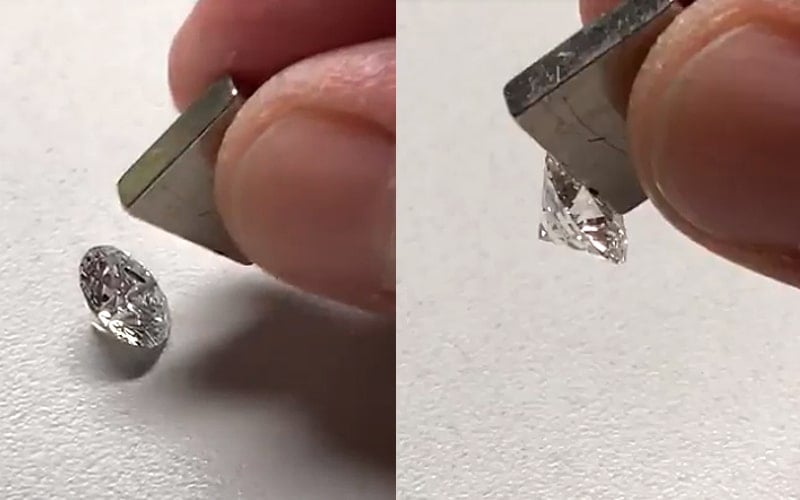
Also false. Even trained gemologists often need special tools to tell the difference between lab and mined diamonds.
“They Have No Value”
Lab-grown diamonds do have value, though their resale market is still emerging. They are not worthless, but they may not retain value the same way natural diamonds sometimes can.
Applications Beyond Jewelry
While lab-grown diamonds are popular in rings, earrings, and necklaces, they are also used in industrial applications due to their hardness and durability.
-
Cutting tools
-
Thermal conductors
-
Semiconductors
-
Medical equipment
Choosing Between HPHT and CVD Diamonds
When buying a lab-grown diamond, you may want to know the method used to create it. Both HPHT and CVD diamonds are excellent choices, but:
-
HPHT is ideal for larger, color-enhanced diamonds.
-
CVD is preferred for more consistent, high-clarity results.
Ask your jeweler or check the diamond’s certification report to find out how your diamond was grown.
Final Thoughts
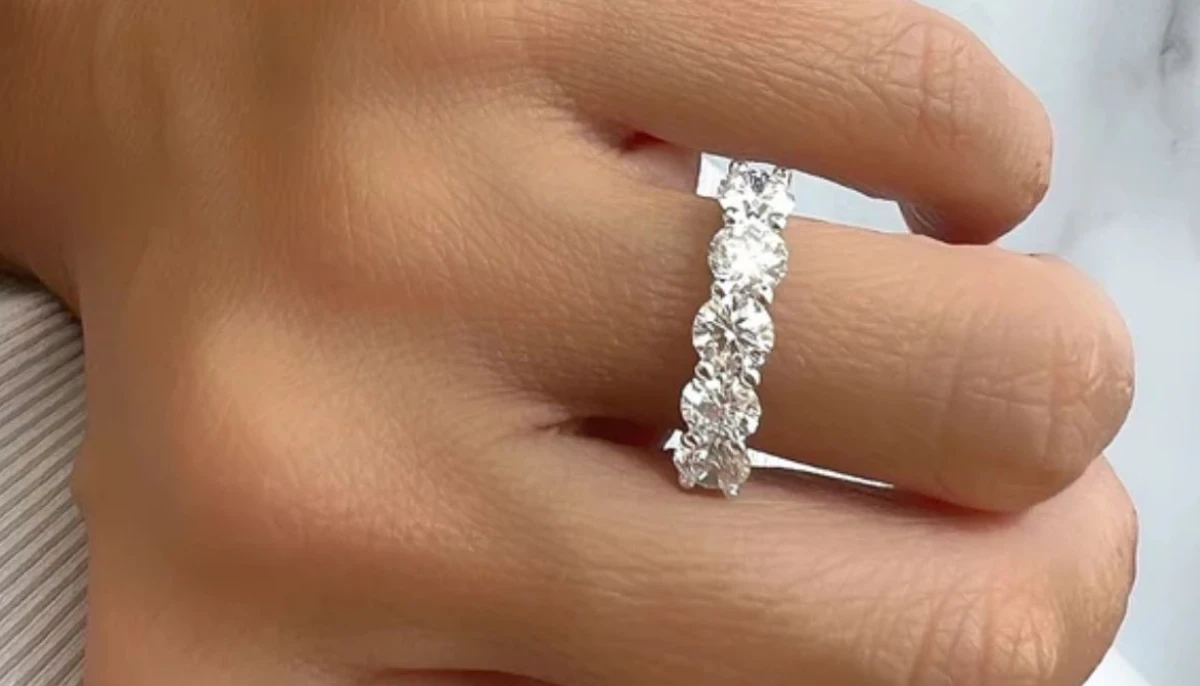
Lab-grown diamonds, particularly those made with the HPHT method, offer a sustainable, ethical, and affordable alternative to mined diamonds without compromising on quality or beauty. As technology advances and more consumers embrace lab-created gems, the diamond industry is undergoing a transformation — one that favors innovation, ethics, and environmental responsibility.
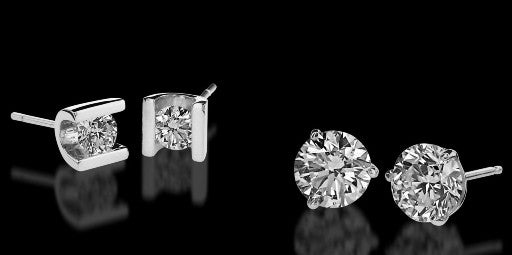
Whether you’re shopping for an engagement ring, a special gift, or a personal keepsake, lab-grown diamonds are a smart, modern choice that aligns with contemporary values without sacrificing luxury.